Wondering if it’s time to see an orthodontist? Most people put off that first visit until something specific catches their attention, like a jaw that aches after meals, teeth that suddenly look crowded, or a child losing baby teeth far earlier or later than friends the same age. At LakePointe Orthodontics, we help you and your family spot the 7 signs it’s time to visit an orthodontist, so you can act early and keep treatment simple. Recognizing these warning signs sooner rather than later often makes a real difference in how smooth and short your care turns out to be.
What Does an Orthodontist Do (and When Should You See One)?
An orthodontist is a dental specialist who corrects bite, jaw alignment, and tooth positioning after two to three years of training beyond dental school. You should see one when you notice crowding, gaps, bite trouble, or any of the 7 warning signs, since early evaluation often keeps treatment simpler and shorter.
While a general dentist focuses on cavities, gum health, and cleanings, an orthodontist diagnoses and treats misalignment with metal braces, clear aligners, expanders, and similar appliances.
Many alignment issues stay hidden until they cause trouble with chewing, speech, or self-confidence. That’s why early evaluation matters. Catching a small issue now often means a shorter, simpler treatment later, and sometimes avoids surgical or more involved care down the road.
How to Recognize the 7 Warning Signs
Not every misalignment is obvious. Some signs are easy to spot in the mirror, while others show up as habits or small frustrations during meals. Here are the 7 signs it’s time to visit an orthodontist for you or your child.
Are Your Baby Teeth Coming or Going Off Schedule?
Baby teeth usually start falling out around age 6 and finish by 12. Losing them too early or holding onto them too long can hint at spacing or eruption issues. A first orthodontic check-up around age 7 gives our team a chance to spot developing concerns early, even if treatment is not needed right away.
Are Your Teeth Crowded, Crooked, or Gapped?
Crowding makes brushing and flossing tougher, which raises the risk of cavities and gum issues. Gaps can affect speech and confidence. If teeth overlap, twist, or have noticeable spaces, an orthodontist can recommend the best treatment for a beautiful, healthy smile.
Are You Biting Your Cheeks or Tongue?
If you regularly bite the inside of your cheeks, lips, or tongue, your bite may be off. Teeth that don’t meet correctly often catch soft tissue during eating or talking. This is a classic sign of a misaligned bite worth checking out.
Do You Have Trouble Chewing or Biting Food?
Struggling to bite into an apple or chew evenly on both sides points to a functional bite problem. Over time, an uneven bite can wear down enamel and stress the jaw joint. An exam can pinpoint whether crowding, crossbite, or overbite is to blame.
Do Your Teeth Look Out of Proportion?
Teeth that appear too small, too large, or noticeably uneven compared to the rest of your smile can signal alignment or spacing concerns. Sometimes the teeth are fine, and the jaw position is the real issue. Either way, an exam clears it up quickly and gives you a clear picture of what’s happening.
Do You Have Mouth Breathing or Jaw Sounds?
Frequent mouth breathing, snoring, or clicking and popping in the jaw can tie back to airway and alignment issues. Narrow jaws and certain bite patterns can affect how you breathe and sleep. Early evaluation can guide growth in kids and improve comfort for adults.
Does Your Child Still Have Thumb-Sucking or Other Oral Habits?
Thumb-sucking, prolonged pacifier use, or tongue thrusting past age 4 or 5 can shift teeth forward and change how the jaw develops. The earlier these habits are addressed, the easier it is to keep growth on track and avoid bigger changes later.
Why These Signs Matter: Benefits of Early Action
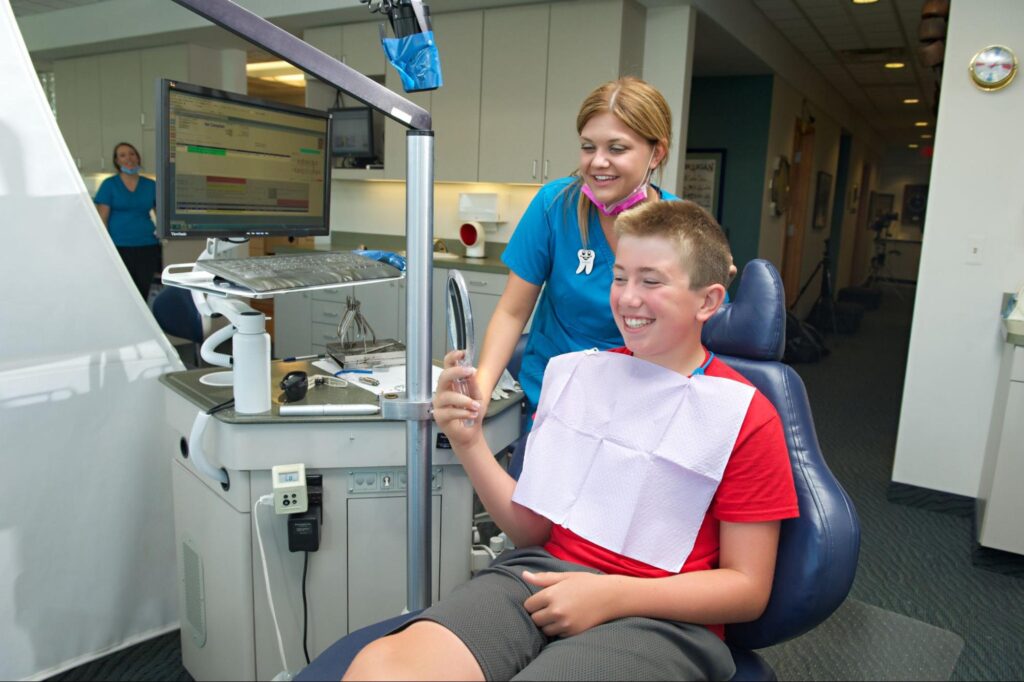
Catching these signs early pays off in ways that go beyond a straighter smile. Misaligned teeth are harder to clean, which raises the risk of decay and gum disease. An off bite can wear enamel down unevenly and stress the jaw muscles.
Acting early also supports better function:
- Easier chewing and clearer speech
- Lower risk of chipped or worn teeth
- Improved breathing patterns in growing kids
- Stronger confidence at school, work, and in photos
- Often a shorter, simpler treatment when started at the right time
For kids, early intervention can guide jaw growth while it’s still happening, which can reduce the need for extractions or surgery later. For adults, addressing these signs now protects the long-term health of teeth you want to keep for life. The payoff often shows up in both comfort and appearance.
Orthodontist vs. Dentist: Who Should You See?
Both play important roles in your oral health, but they handle different things. Your dentist is your first stop for cleanings, fillings, and overall oral health. An orthodontist takes over when teeth, bite, or jaw alignment need correction.
| Area | General Dentist | Orthodontist |
|---|---|---|
| Training | Dental school (DDS/DMD) | Dental school plus 2-3 years of orthodontic residency |
| Focus | Cavities, gum health, cleanings, crowns | Tooth alignment, bite correction, jaw development |
| Treatments | Fillings, extractions, root canals | Braces, Invisalign, expanders, retainers |
| When to see | Routine checkups, oral health concerns | Crowding, gaps, bite issues, the 7 signs above |
Most dentists will refer you to an orthodontist when they spot alignment concerns, but you don’t need a referral to book a free consult with our team. You’re welcome to schedule directly whenever a question comes up.
What Affects the Cost of Orthodontic Treatment?
Orthodontic cost depends mainly on three things: the type of appliance you choose, how complex your case is, and how long treatment takes. Metal braces, clear braces, and Invisalign each fall into different price ranges, and longer or more involved cases cost more than minor corrections.
Here’s what typically influences your total:
- Treatment type: metal braces, clear braces, Invisalign, or expanders
- Case complexity: mild crowding versus significant bite correction
- Treatment length: most cases run 12 to 24 months
- Age: kids may need a two-phase plan with a monitoring period in between
- Insurance and financing: many plans include orthodontic benefits, and we offer flexible financing options that fit your budget
You’ll get a clear breakdown and a personalized estimate based on your exact needs, so there are no surprises before you start. Knowing the numbers up front makes it easier to plan with confidence.
Are You a Candidate? When to Schedule That First Visit
You’re likely a candidate for an orthodontic evaluation if you or your child notice any of the 7 signs above. Kids should have a first orthodontic check by age 7, even if treatment isn’t needed yet. Teens and adults can start anytime, since orthodontics works at any age.
Starting is easier than ever with our team:
- Free consults with no referral required
- 3D imaging and digital scans without goopy impressions
- DentalMonitoring for fewer in-office visits between adjustments
- Virtual consult options for busy families
Checking on a 7-year-old or finally taking care of your own smile after years of waiting, there’s no wrong time to ask the question. We’re glad to walk through it with you whenever you’re ready.
Frequently Asked Questions
At what age should kids first see an orthodontist?
A first orthodontic check-up around age 7 gives our team a chance to spot developing issues like crossbites, crowding, or jaw growth concerns. Most kids won’t need treatment yet, but an early visit lets us monitor growth and step in at the ideal time.
Do I need a dentist referral to visit an orthodontist?
No. You can book a free consult with our team directly, without a referral from your dentist. Many people come in on their own after noticing one of the 7 signs, while others are referred by their dentist. Either way is welcome, and the process looks the same once you arrive.
How long does orthodontic treatment usually take?
Most treatment plans take 12 to 24 months, but timelines vary based on your case. Mild crowding or small adjustments can wrap up in as little as 6 months, while more involved bite corrections take longer. You’ll get a personalized treatment plan and timeline at your first visit.
Can adults get braces or Invisalign?
Absolutely. A growing number of the people we treat are adults, and options like Invisalign and clear braces make adult orthodontics discreet and comfortable. Healthy teeth can be moved at almost any age, so it’s never too late to get your perfect smile.
Is mouth breathing always an orthodontic issue?
Not always, but it’s worth checking. Mouth breathing can be tied to allergies, enlarged tonsils, or airway and jaw alignment concerns. Our orthodontists can evaluate whether jaw width or bite is playing a role and coordinate with your dentist or physician if needed.
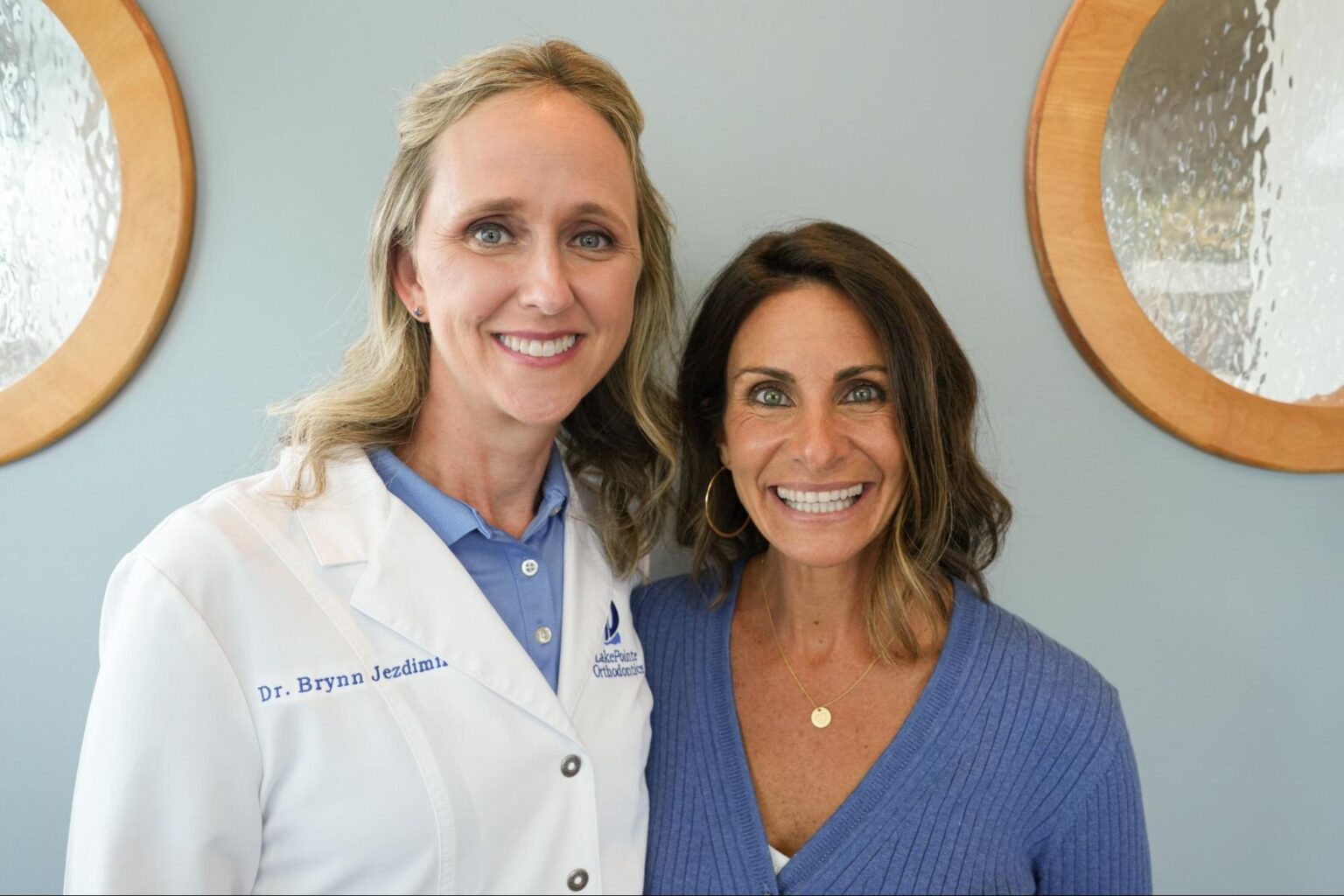
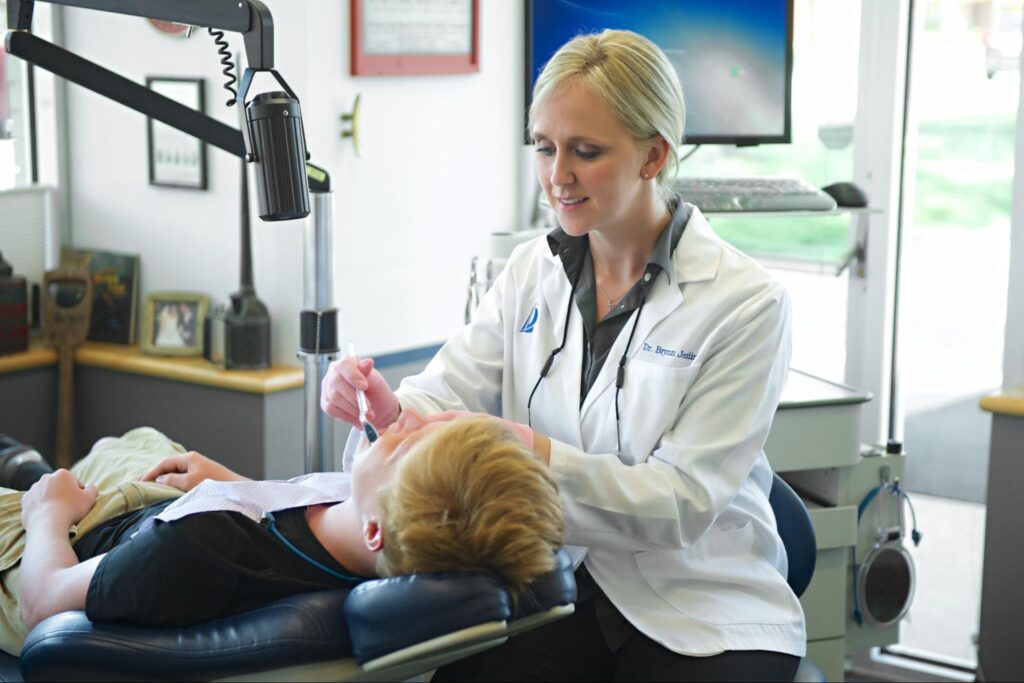
If any of these signs sound familiar, the next step is simple. LakePointe Orthodontics helps patients find the right path forward with personalized care, modern technology, and treatment options for every age. Our team, led by Dr. Brynn Jezdimir, Dr. Richard Frenchi, and Dr. William Krieg, uses digital tools to keep your care comfortable and precise. You and your family are always welcome to reach out, ask questions, and find out whether it’s time to make a change.
Our St. Clair Shores orthodontic office welcomes patients from Warren, Roseville, Eastpointe, Grosse Pointe Woods, and the surrounding communities. Schedule your free consult today to get started.