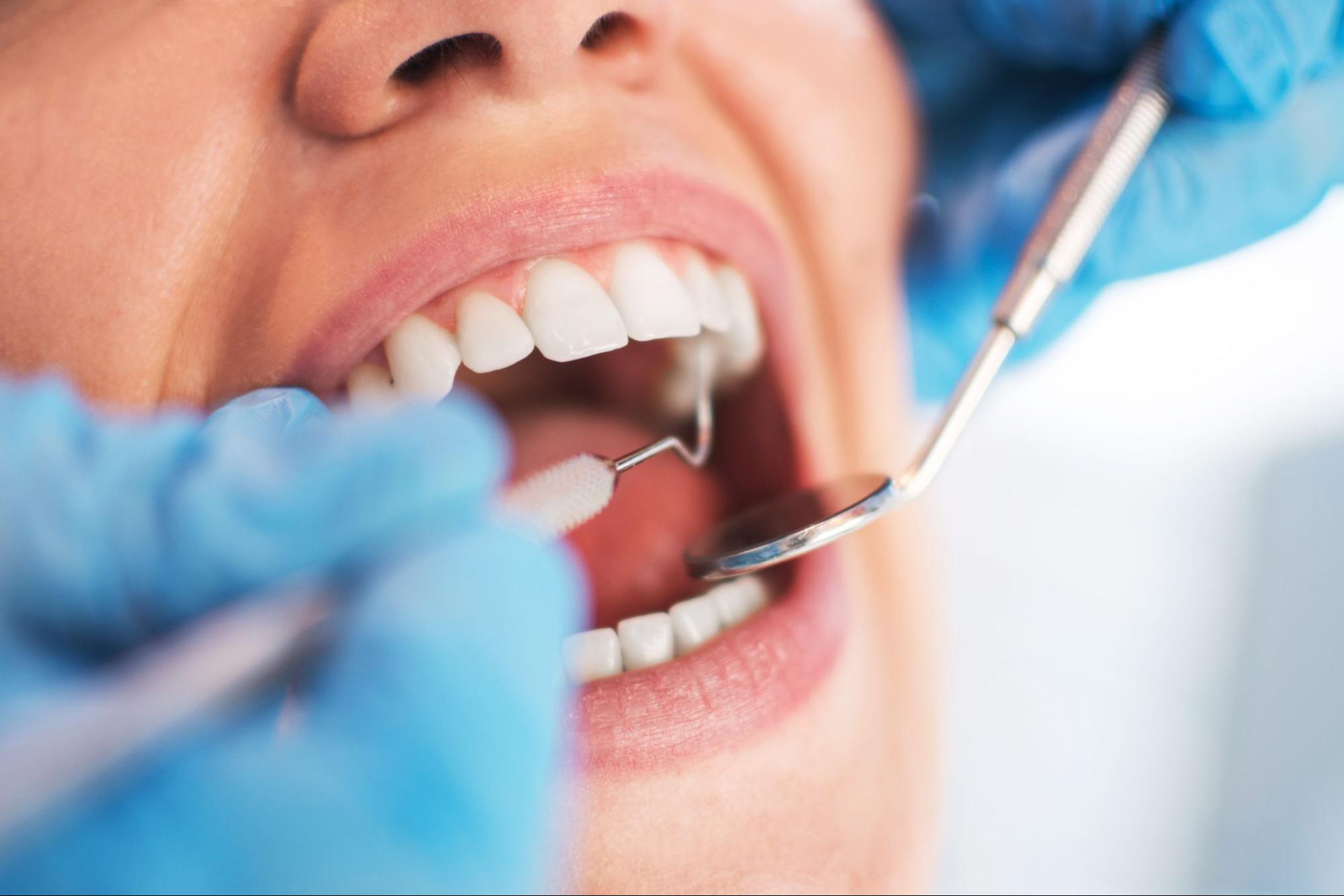

The best way to protect your braces while playing sports is to wear an orthodontic mouthguard at every practice and game, apply wax to sharp edges, and check your brackets after activity. Here’s everything athletes and their families need to know about staying safe on the field, court, or mat.
Why Braces Need Extra Protection During Sports
Braces need extra protection during sports because brackets, wires, and bands can cut soft tissue, break on impact, or displace teeth when hit by a ball, elbow, or fall. But getting braces doesn’t mean sitting on the sidelines. You can absolutely stay active in the sports you love. A few simple precautions keep your smile safe and your treatment on schedule.
Take a ball to the face and those brackets can cut up your cheeks fast. During a rebound, an awkward collision on the field, even a stumble during gymnastics or cycling, metal gets pushed into soft tissue and causes painful lacerations. Broken brackets, bent wires, or in serious cases a displaced tooth, these are all real risks. None of them are fun.
So what’s the fix? Preparation. Grab the right mouthguard, run through a quick pre-game routine, and you can protect your braces while still playing hard. Orthodontists, including the board-certified team at LakePointe Orthodontics, recommend mouthguard use for every athlete in braces, regardless of sport or skill level.
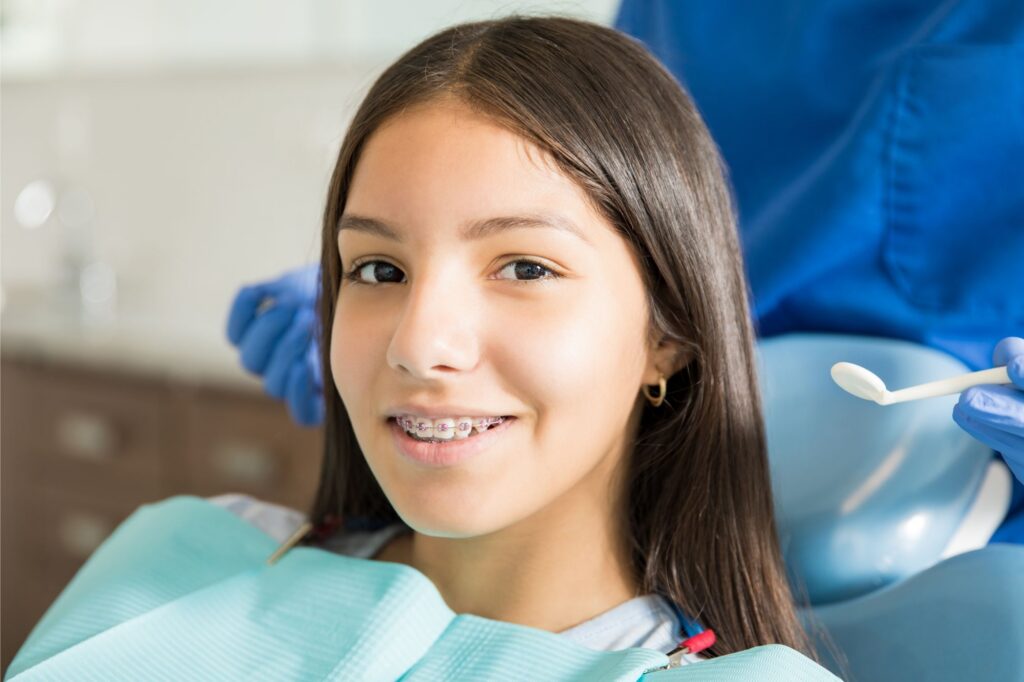
Game-Day Checklist: How to Protect Your Braces During Sports
To protect your braces during sports, wear an orthodontic mouthguard, apply wax to any sharp spots, use all required protective gear, check your braces after activity, and contact your orthodontist right away if anything feels loose or damaged. Run through this checklist before every practice and game.
Step 1: Wear a Properly Fitted Orthodontic Mouthguard
This is non-negotiable. Every practice. Every game. A mouthguard designed for braces fits over your brackets and protects your teeth, lips, and cheeks from impact. No exceptions.
Step 2: Apply Wax and Gear Up
If a bracket edge or wire end feels rough, cover it with orthodontic wax before you play. This creates a smooth barrier between your braces and the inside of your mouth. While you’re at it, put on your helmet, face cage, or chin strap if your sport requires them. Think of it as part of suiting up.
Step 3: Check Your Braces Right After Activity
Run your tongue over your brackets and wires. Look in a mirror. Anything feel loose or bent?
Step 4: Call Your Orthodontist if Something’s Wrong
Don’t wait on this one. Give your orthodontist a call. A loose bracket or bent wire can add weeks to your time in braces if left unaddressed, and nobody wants that. Getting repairs done quickly keeps your treatment moving.
This routine takes just a few minutes and can save you from extended time in braces and emergency visits.
Benefits of Wearing a Mouthguard With Braces
A mouthguard protects your brackets, soft tissue, and teeth while keeping your treatment schedule intact. Here’s what it actually does for you:
How Does a Mouthguard Prevent Bracket Damage?
- It absorbs impact so your hardware doesn’t have to. When a ball, elbow, or the ground hits your face, the guard takes the force instead of your brackets. Fewer breaks mean fewer repair visits.
- Your lips, cheeks, and gums stay cushioned against those metal brackets. No lacerations. This alone makes a mouthguard worth wearing.
- The guard also absorbs shock that could otherwise fracture or knock out a tooth, a risk that goes up when you have extra hardware in your mouth.
Can a Mouthguard Keep Your Braces on Schedule?
Yes, a mouthguard helps keep your braces on schedule by preventing the bracket breaks and wire damage that cause treatment delays.
- Every broken bracket or bent wire can add weeks to your time in braces. A mouthguard helps you avoid those setbacks. Worth it.
- Emergency orthodontic visits add up in both cost and time. Prevention is always cheaper than repair.
The American Association of Orthodontists recommends mouthguards for all athletes. According to the ADA, athletes are up to 60 times more likely to suffer dental injury when not wearing a mouthguard. For braces wearers, the risk of oral injury increases because of the added hardware in your mouth.
Orthodontic Mouthguard vs. Boil-and-Bite vs. Invisalign for Athletes
Not all mouthguards work equally well with braces. Here’s how your options compare:
| Type | Pros | Cons | Best For |
|---|---|---|---|
| Orthodontic mouthguard | Designed to fit over brackets; adjusts as teeth move | May need replacement as teeth shift | Braces wearers in any sport |
| Boil-and-bite | Budget-friendly; widely available | May not accommodate brackets well; can feel bulky | Temporary solution or backup |
| Custom from orthodontist | Best fit and protection; made specifically for your mouth | Higher upfront cost | Serious athletes in contact sports |
What about Invisalign? Clear aligners offer a unique advantage for athletes. You can remove your aligners before practice, wear a standard mouthguard, then pop your aligners back in afterward. This flexibility appeals to teens and adults in high-contact sports like football, hockey, or wrestling. The board-certified orthodontists at LakePointe Orthodontics can help you weigh these options during a free consult.
If sports are a big part of your life, discuss all treatment options with your orthodontist to find the best fit for your activity level and goals.
What Does a Sports Mouthguard for Braces Cost?
Sports mouthguards for braces typically cost between $5 and $200 as of 2024, depending on the type:
- Boil-and-bite guards: $5–$30 at most sporting goods stores
- Orthodontic-specific OTC guards: $20–$50
- Custom orthodontic mouthguards: $50–$200 through your orthodontist
Ask your orthodontist which option fits your sport and your budget.
Now consider the cost of NOT using a mouthguard. A single broken bracket can mean an emergency visit, extra time in the chair, and potentially months added to your treatment schedule. Those costs stack up fast in dollars and extra months in braces.
A $30 mouthguard is a small investment compared to the alternative.
Which Athletes Need Braces Protection the Most?
Every athlete with braces should wear a mouthguard, especially in high-contact sports like football, basketball, hockey, lacrosse, wrestling, martial arts, and rugby. These sports put you at the greatest risk for a hit to the face. If you play any of these in rec leagues, school teams, or travel programs, a mouthguard is a must.
Don’t overlook non-contact sports, though. Gymnastics, skateboarding, cycling, soccer, volleyball, and cheerleading all involve falls, collisions, or flying objects that can catch you off guard. Young athletes and teens face the highest risk overall, partly because of active play styles and developing coordination, and partly because competitive intensity just ramps up the chance of taking a hit.
If you have braces, expanders, or a fixed retainer, a mouthguard should be part of your gear. No exceptions, no matter the sport.
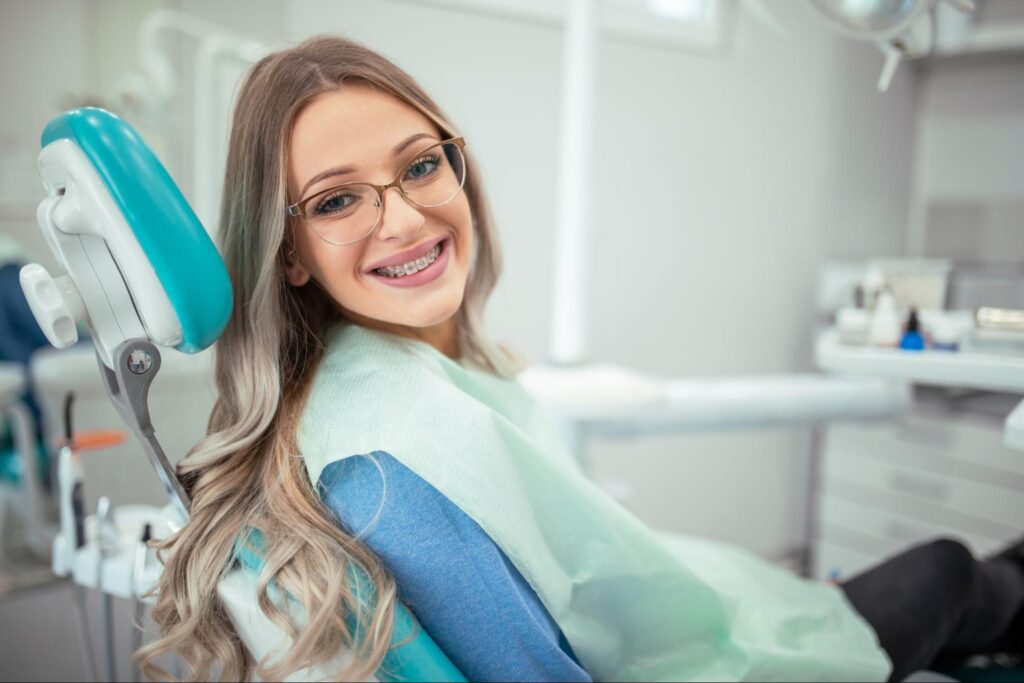
Frequently Asked Questions About Braces and Sports
Can I play sports with braces?
Yes, braces don’t have to sideline you. With a properly fitted mouthguard, you can play football, basketball, soccer, or any other sport safely. The key is actually wearing it, not just keeping it in your bag.
What happens if a bracket breaks during a game?
Stay calm. Cover the broken bracket with orthodontic wax to prevent it from cutting your cheek or lip. Finish the game if you can do so comfortably, then call your orthodontist as soon as possible. Most orthodontic practices, including LakePointe Orthodontics, can accommodate emergency repair visits quickly. Don’t try to bend or remove the bracket yourself, as that can make things worse.
How often should I replace my mouthguard with braces?
Replace your mouthguard every 3–6 months during active orthodontic care. As your teeth move, the fit changes, and a guard that doesn’t fit properly won’t protect you as well. Check it regularly.
Do I still need a mouthguard with Invisalign?
Yes. Your aligners aren’t designed to absorb impact. Remove them before practice or games, wear a standard sports mouthguard, then put your aligners back in afterward. This protects both your teeth and your aligners. Most standard boil-and-bite mouthguards work well when aligners are removed.
Will wearing a mouthguard slow down my braces?
Not at all. A mouthguard actually prevents the broken brackets and bent wires that cause delays. Wearing one consistently won’t add extra time to your treatment.
Playing sports with braces is completely doable. You just need the right protection and a quick pre-game routine. A mouthguard, some orthodontic wax, and a post-game check keep your smile safe while you stay in the game.
If you have questions about protecting your braces during sports, or you want to explore whether Invisalign might work better for your active lifestyle, talk to your orthodontist. They can help you and your family figure out what works best.