

You finished active treatment, and now the real keeper of your result is the tiny habit you repeat every night. Retainers in St. Clair Shores work best when the plan fits your routine, and that’s why we focus on nighttime wear in our office.
Our team at LakePointe Orthodontics makes this part easy to follow. Dr. Jezdimir and Dr. Frenchi will let you know which retainer style matches your child’s habits, how long to wear it, what a snug snap should feel like, and what to do if it cracks on a Sunday.
Why Teeth Try To Move After Braces Or Aligners
Teeth don’t “lock in” on the day the brackets come off or when the last tray finishes. The supporting tissues need time to adapt, and during that window, teeth want to drift. Here’s what drives that urge to move and what you can do to stop it from turning into a setback.
Fibers act like rubber bands
Tiny gum fibers wrap each tooth. While you straightened the bite, those fibers stretched. After orthodontic treatment, they try to pull back toward their old positions. A retainer counters that pull while the fibers calm down.
Bone remodels slowly
Think damp clay, not concrete. Your body adds and reshapes bone around new tooth positions for months. Consistent wear gives that process the stillness it needs.
Daily forces nudge teeth.
Tongue pressure, swallowing, speaking, and even clenching apply small, constant pushes. One push means nothing; thousands each day matter. Nightly wear cancels out that background noise.
Growth changes the landscape.
Kids and teens still grow. Jaws lengthen, wisdom teeth develop, and faces mature. Growth can crowd fronts or widen spaces. A retainer keeps the finished look steady while growth runs its course.
Habits tipped the scale before and can again.
Mouth breathing, nail biting, or thumb- and finger-habits can tilt teeth. If any of these show up, tell us, and we’ll pair wear time with simple habit fixes.
Natural forward drift is real.
Teeth tend to creep slightly toward the midline through life. It’s slow, but it adds up. Light, long-term night wear blocks that creep with almost zero effort.
How Retainers Hold Teeth Steady When Treatment Ends
Retainers hold teeth while gum fibers relax and bone firms up. They keep the finish line from sliding.
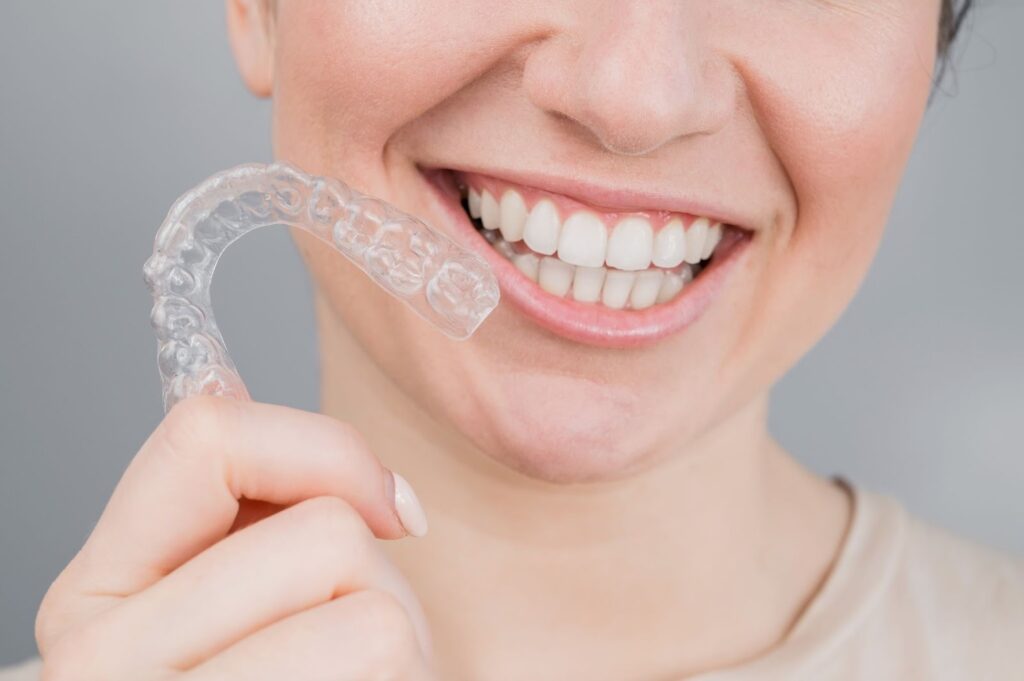
- Clear removable trays wrap each tooth and seat with a light snap. Smooth, even pressure means good hold.
- Bonded wires sit behind the front teeth and act like a guardrail. Patients still add a night tray for full-arch stability.
Quick checks that yours is working
- Seats fully without rocking
- Feels evenly snug, not sharp on one tooth
Wear that fits real life
- Right after treatment, you wear it nightly unless told otherwise
- If it feels extra tight after a skip, add hours and call if it does not settle within a day
Small habits that protect the fit
- Case away from pets, and in a drawer
- Cool water only
- Never wrap it in a napkin
- Soft brush without gritty toothpaste
What Happens With Retainers And Relapse
Relapse means that the teeth begin drifting back toward their original positions after treatment. It shows up fastest in the lower front teeth and after stretches without your retainer, during growth spurts, or when a tray has warped from heat.
Early signs you can spot
- The retainer feels extra tight or won’t seat fully
- New rough contact when you bite or a floss snag between front teeth
- Photos show a tiny overlap that wasn’t there last month
Fast actions that help
- Go back to full-time wear for 48 hours, out only for meals and brushing
- Seat gently and leave it in longer rather than forcing it on and off
- Rinse with cool water only, so the plastic keeps its shape
If you have a bonded wire, keep flossing under it and add night tray wear for the full arch.
When a bonded retainer is involved
If a tooth near the wire feels like it is drifting or the wire has a lifted spot, call right away. A small repair now stops a domino effect later.
When to call LakePointe Orthodontics
- The tray still won’t seat flush after a day of extra wear
- If there is a crack, hole, or distortion in the material
- Tightness causes one-tooth pain that does not fade within 24 hours
- You lost the retainer, or the dog chewed it
Catching relapse early is the whole game. A quick reset in wear usually brings the fit back and keeps your result steady.
Retainers FAQ
What does a good fit feel like?
Snug and secure, no rocking, and no sharp spots. If it feels uneven on one tooth, we can smooth or adjust it.
What if the retainer feels too tight after a missed night?
Seat it gently and wear it longer that day; if it still feels extra tight after 24–48 hours, message our St. Clair Shores team.
Can my child eat or drink with a retainer?
Water only. Food and hot drinks can warp plastic, trap sugars, and stain.
How do we clean the retainer without scratches or odor?
Use cool water and a soft brush without gritty toothpaste. A nonabrasive retainer cleanser, used once or twice a week, keeps it fresh.
What if we lose or crack the retainer?
Call us as soon as you notice. We can get you in for an appointment in St. Clair Shores; wearing a backup (if you have one) helps maintain the fit until the new retainer is ready.
Let Us Help You With Your Retainer
If you’re ready to schedule a retainer check, adjustment, or replacement, call LakePointe Orthodontics in St. Clair Shores to set up a visit with Dr. Jezdimir or Dr. Frenchi. Bring your retainer and case if you have them.