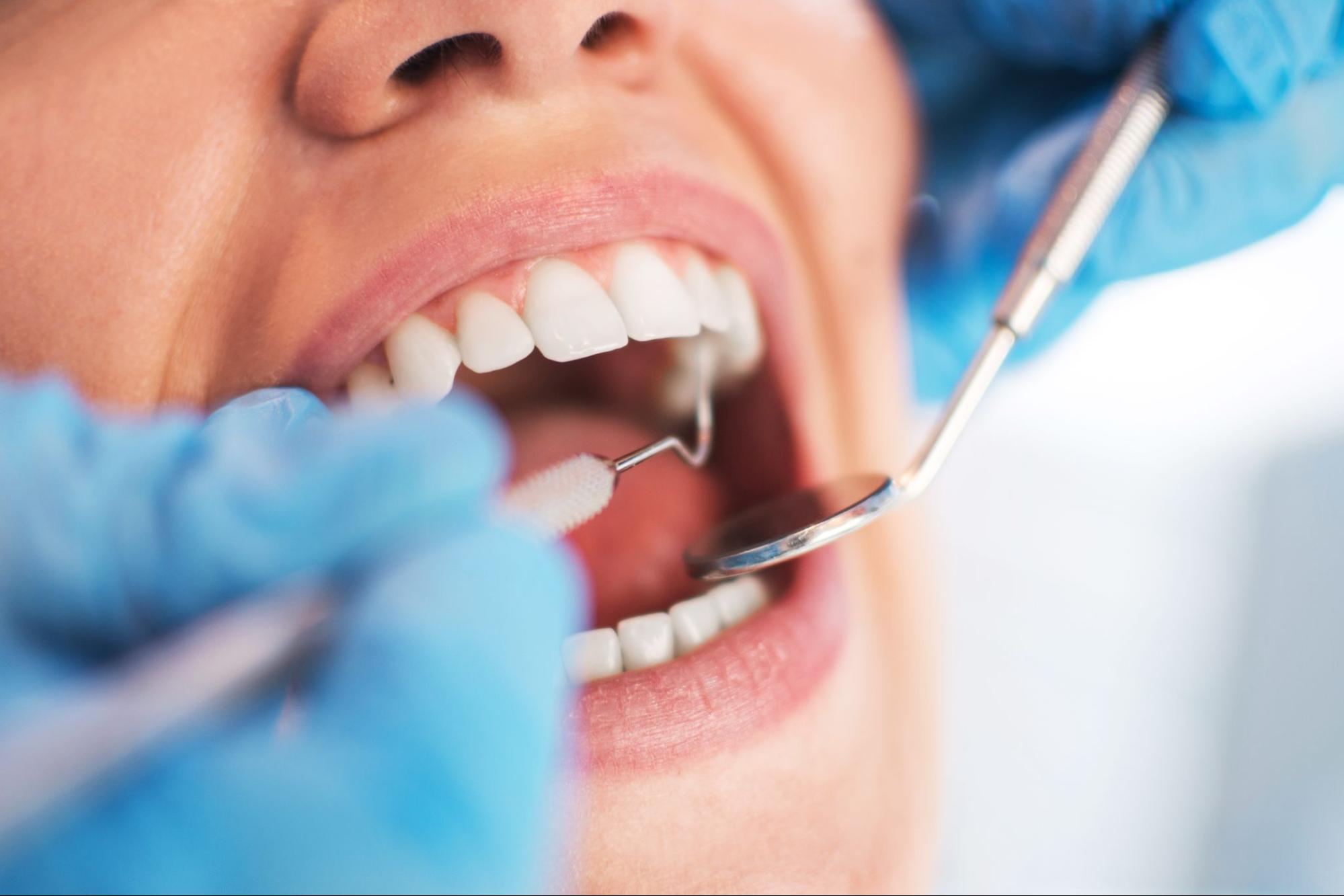

Most people wear braces for 12 to 24 months, with the typical average landing between 18 and 24 months. Mild cases can wrap up in as little as 6 to 12 months, while complex bite or crowding cases may run 24 to 36 months. At LakePointe Orthodontics, your personalized treatment plan is built around your diagnostic records and smile goals.
Your full time with braces breaks into three clear phases:
- Consultation and planning: 1 to 2 weeks from your consultation to your bonding visit
- Active treatment: 12 to 24 months with brackets and wires in place
- Retention: ongoing nighttime retainer wear to protect your results for life
No two smiles move on the exact same schedule. Age, case severity, treatment type, and how closely you follow your orthodontist’s instructions all shape the final number. The best way to get a specific estimate is to come in for a consultation. Dr. Jezdimir or Dr. Frenchi will review your scans and give you a realistic range before you commit to anything.
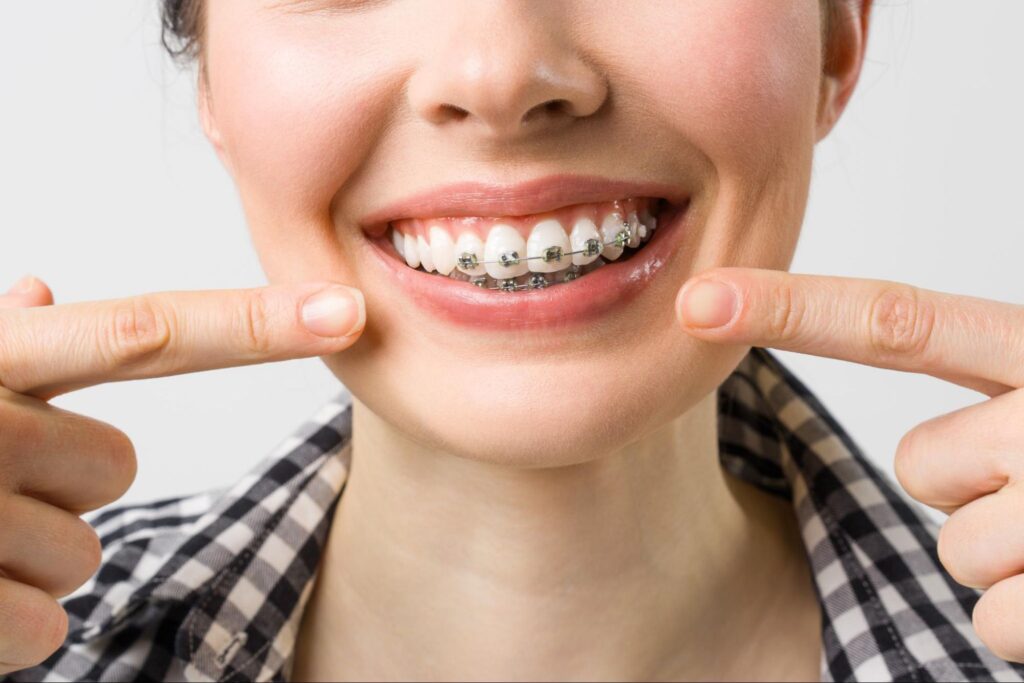
The Braces Treatment Process: Stages and Timeline
Knowing what happens month by month makes the whole process feel more predictable. A typical braces timeline at LakePointe Orthodontics unfolds like this.
Month 1: Bonding and Adjustment
Your orthodontist bonds the brackets to your teeth and threads in the first archwire. The visit usually takes one to two hours. Mild soreness is common for the first 3 to 5 days as your mouth adjusts. Soft foods and over-the-counter care are usually all you need.
Months 2–6: Visible Alignment Begins
This is where you start noticing real change. Teeth begin rotating and leveling into position. You’ll come in every 4 to 8 weeks for adjustments, wire changes, or new elastic ties. Most people see noticeable movement within the first 2 to 3 months.
Months 6–12: Bite Correction
Once teeth are better aligned, our team focuses on how your upper and lower jaws fit together. Elastics are often introduced here to shift the bite. Major tooth movement is typically completed during this stage.
Months 12–24: Detailing and Finishing
The last phase is all about precision. Small rotations, spacing adjustments, and final bite relationships get fine-tuned. This is often where patience pays off, because the small movements make the biggest cosmetic difference.
Removal and Retention
When your orthodontist is happy with the result, braces come off in a single visit. You’ll be fitted for a retainer right away to lock everything in place.
A nice bonus at our practice: DentalMonitoring lets our team check your progress remotely between visits using a scan from your phone. That means fewer unnecessary trips to the office and faster adjustments when something needs attention.
Benefits of Understanding Your Braces Timeline
Knowing what to expect isn’t just reassuring. It genuinely helps your treatment go more smoothly from start to finish.
So why does a clear timeline matter for you and your family? Several reasons stand out:
- You’ll feel less frustrated along the way. When you know month 4 looks different from month 14, you’re less likely to feel discouraged mid-treatment.
- Milestones become something to celebrate. Watching that one stubborn tooth finally rotate into place feels pretty great when you know to look for it.
- Life planning gets simpler too. Families can coordinate treatment around school pictures, sports seasons, graduations, weddings, and summer vacations.
- Staying on track feels doable. Families who understand how elastics and hygiene affect the timeline tend to stay on schedule. Skipped elastics or broken brackets can add weeks.
- Informed treatment choices. Once you understand how long each option takes, picking between metal braces, clear braces, and Invisalign becomes much simpler.
Our team walks you through every milestone at your consultation. You’ll leave knowing roughly how long your treatment will take, what each phase involves, and what you can do to keep things moving. That transparency is a big part of how we create smiles that last a lifetime.

Treatment Time by Braces Type: Metal vs. Clear vs. Invisalign
The type of braces you choose has a real impact on how long treatment takes. The main options at LakePointe Orthodontics compare like this.
| Treatment Type | Average Duration | Best For | Visibility |
|---|---|---|---|
| Metal Braces | 18–24 months | Complex cases, all ages | Visible |
| Clear Braces | 18–24 months | Appearance-conscious teens and adults | Low profile |
| Invisalign | 12–18 months | Mild to moderate cases | Nearly invisible |
Metal Braces
The most efficient option for complex bite and crowding corrections. Modern metal braces are smaller and more comfortable than older versions, and they’re still the workhorse of orthodontics. Many families choose them because they deliver reliable, predictable movement across just about any case type.
Clear Braces
Clear braces use tooth-colored brackets that blend in with your enamel. Treatment time is comparable to metal braces, so you get the aesthetic upgrade without a slower timeline. They’re a favorite with teens and adults who want a lower-profile look during daily life, work meetings, or school photos.
Invisalign
Our team is an Invisalign Platinum Plus Provider, meaning we treat a high volume of Invisalign cases every year. Mild and moderate cases often finish in 12 to 18 months, provided you wear your aligners 22+ hours per day. Consistent wear time is everything with Invisalign, so if you can commit to the routine, the results come quickly.
LakePointe Orthodontics offers metal braces, clear braces, and Invisalign so you can pick the option that fits your timeline and your lifestyle. Dr. Jezdimir or Dr. Frenchi will help you weigh the trade-offs during your consultation.
What Affects the Length of Braces Treatment
A few key factors influence how long your braces treatment takes.
Case complexity. Severe crowding, significant bite issues, or jaw alignment concerns take longer to correct than mild spacing cases.
Type of braces chosen. Metal and clear braces run on similar timelines, while Invisalign depends heavily on daily wear time.
Day-to-day habits. Broken brackets from hard foods, missed visits, and inconsistent elastic wear can add weeks or even months.
Age and bone density. Adult treatment can run longer because adult bone is denser and remodels more slowly than growing bone in kids and teens.
How Age and Case Severity Affect Your Braces Timeline
Age and starting condition are two of the biggest factors in how long braces take. Timelines tend to shift based on when treatment begins.
Younger children between ages 8 and 14 typically wear braces for 16 to 22 months. Active jaw growth works in their favor, which can make certain corrections faster and simpler. Teens between 15 and 18 usually average 18 to 24 months, since teen bone still responds quickly to tooth movement, making this age group highly responsive to treatment. Adults 18 and up often spend 22 to 30 months in braces because adult bone is denser, so movement happens a bit more slowly. The good news: results are just as beautiful and just as lasting.
Case severity matters just as much as age:
- Mild spacing or crowding: 6 to 12 months
- Moderate issues: 12 to 18 months
- Severe crowding or bite concerns: 24 to 36 months
For younger children with significant growth or bite concerns, two-phase treatment can simplify the adolescent phase and sometimes shorten the total time in braces later on.
LakePointe Orthodontics offers orthodontics for all ages, from first evaluations around age 7 through adult treatment. Every plan is tailored to you, your mouth, and your goals.
Frequently Asked Questions About Braces Timelines
Can braces fix crooked teeth?
Yes. Braces are designed to correct crowding, rotation, spacing, and alignment issues. Whether you have one twisted tooth or lots of crowding, braces can gradually guide every tooth into its right spot. Our team at LakePointe Orthodontics also uses braces to improve how your upper and lower teeth fit together, so your smile looks great and functions well too.
Is day 2 the worst for braces?
Soreness typically peaks between 24 and 72 hours after your brackets are placed. For many people, day 2 or day 3 feels the most tender. The tenderness is usually mild and manageable with soft foods, cold drinks, and over-the-counter care. By the end of the first week, most people feel completely normal again.
Will I need a retainer after braces?
Yes. Retainers are a standard part of every braces plan. Teeth naturally want to shift over time, and lifelong nighttime retainer wear is the best way to protect your beautiful, healthy smile. Our team will fit you for a retainer the same day your braces come off.
Can I speed up my braces treatment?
Consistent habits are the single biggest factor in staying on schedule. Wearing your elastics as prescribed, keeping brackets intact by avoiding hard and sticky foods, brushing well, and showing up to your visits all help treatment finish on time. Skipping any of these can add weeks or months.
How often will I visit the orthodontist?
Most families come in every 4 to 8 weeks for in-office adjustments. With DentalMonitoring at LakePointe, some of those check-ins can happen remotely through a quick phone scan, which means fewer trips to the office and faster responses when something needs attention.
Ready to find out exactly how long your treatment will take? Dr. Jezdimir and Dr. Frenchi would love to meet you. Schedule your consultation at our St. Clair Shores practice today, and we’ll build a personalized plan that fits your smile, your schedule, and your life. Call 586.772.6090 or book online to get started.