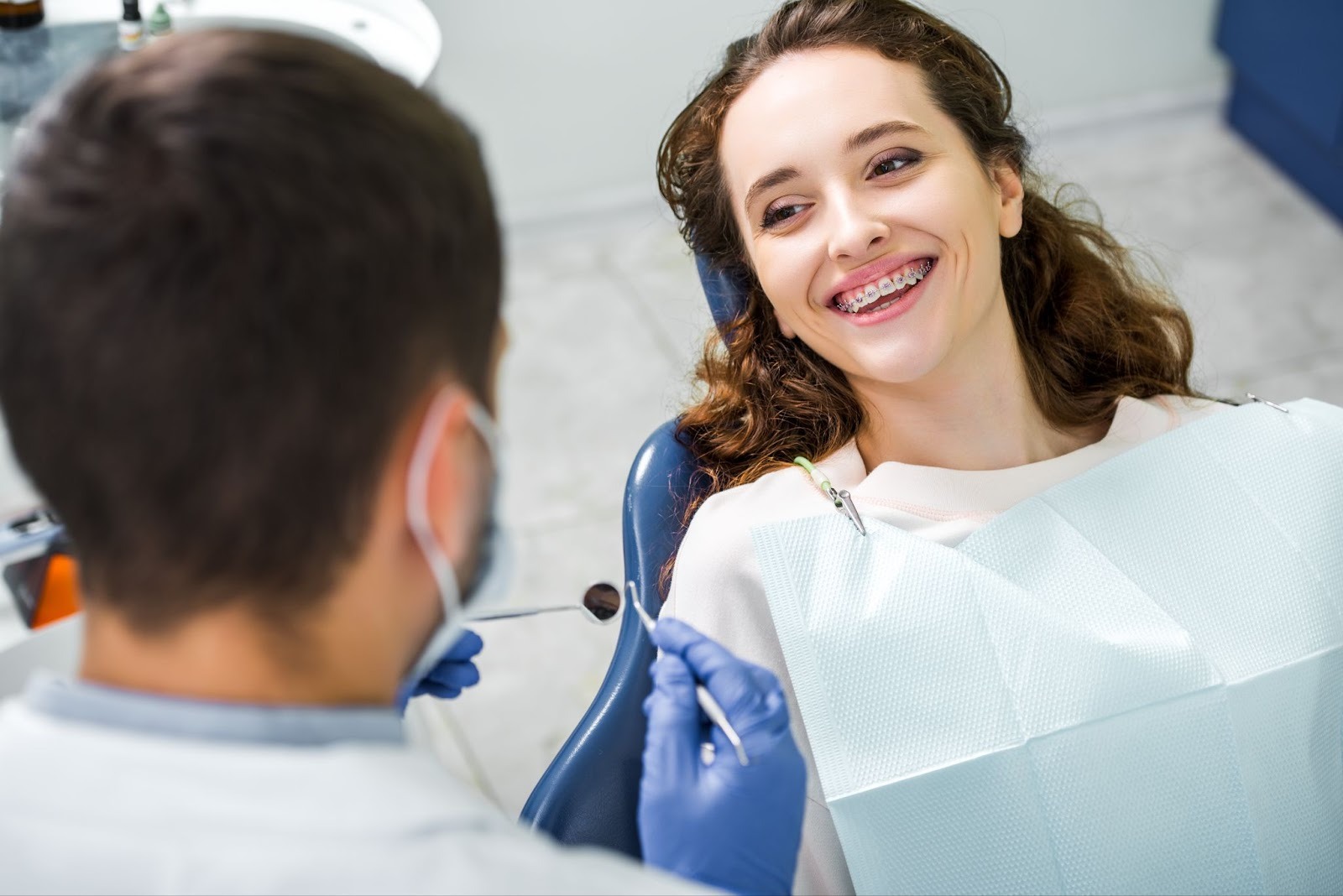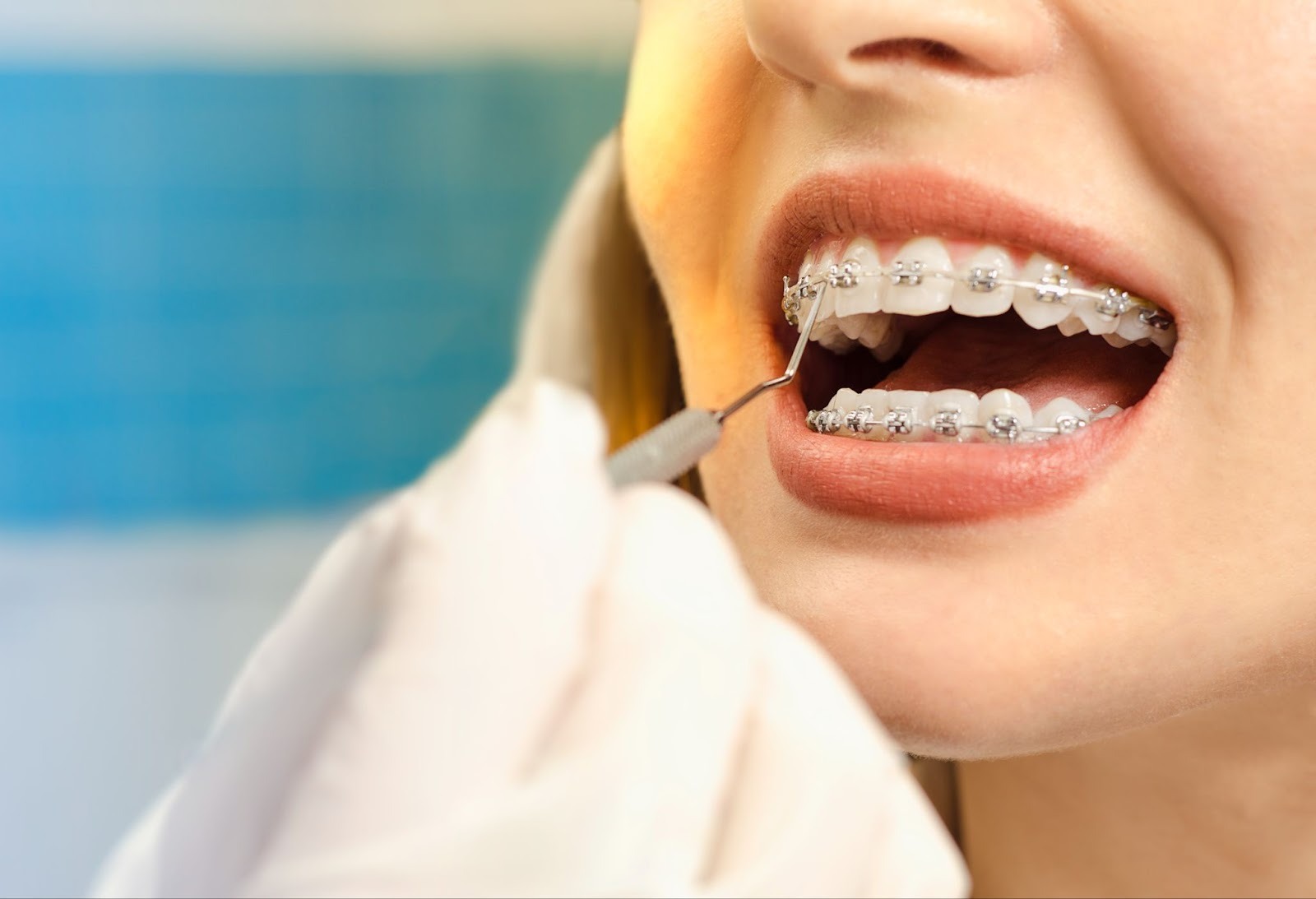

Life in St. Clair Shores comes with plenty of action. Kids lace up skates at Civic Arena, teens run drills at Kyte Monroe fields, and adults meet for softball games near Lake St. Clair. Orthodontic treatment shouldn’t put those activities on pause. The real goal is learning how to protect braces during sports so injuries don’t interfere with your smile or your season, which is what LakePointe Orthodontics strives to provide.
Dr. Jezdimir and Dr. French help athletes of all ages who want to stay competitive without risking broken brackets or painful cuts. With the right approach, braces and sports can work together.
When a Simple Hit Turns Serious
Imagine a rebound flying off the rim during a Lakeview High basketball game. The ball catches a player in the mouth. Without braces, it might leave a sore lip. With braces, it can mean wires poking into cheeks, or even a bracket snapping off.
That’s why sports and orthodontics need some extra planning. Braces aren’t designed to handle sudden impact, and once they’re damaged, treatment slows down. Repair appointments take time, and each setback can push out the day those braces come off.
Why Mouthguards Are Non-Negotiable
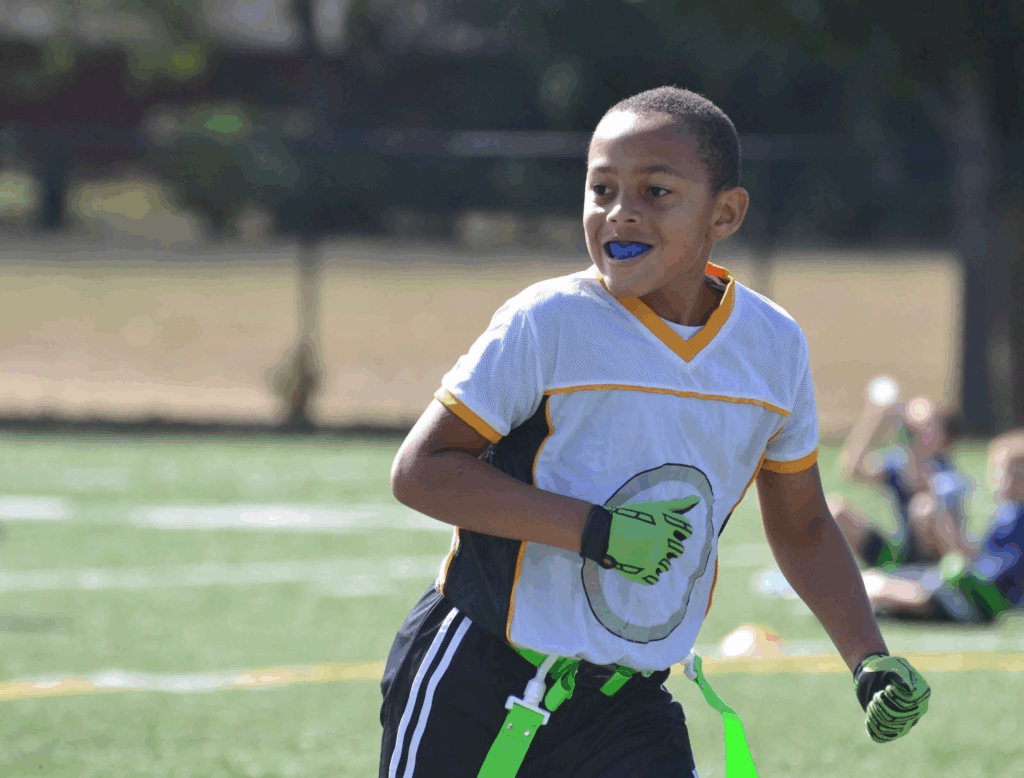
The easiest way to cut the risk of braces injuries is a properly fitted mouthguard. It cushions the teeth, softens the blow from sticks, elbows, or balls, and keeps brackets from cutting into cheeks. More importantly, it lets athletes focus on the game instead of worrying about their smile.
The orthodontic team at LakePointe encourages athletes to wear a guard for every practice and competition, not just official games. Most accidents happen when people least expect them, from scrimmages, warmups, or a pickup game at Veterans Memorial Park.
Game-Day Checklist for Athletes in Braces
Instead of treating braces as an obstacle, treat them like part of your sports gear. Alongside helmets, pads, and water bottles, a few orthodontic essentials belong in your bag:
- Mouthguard: Always in, no exceptions.
- Orthodontic wax: Quick relief if a wire bends or rubs after a hit.
- Small braces kit: Toothbrush, floss picks, travel-size paste, and a compact mirror.
- Water bottle: Staying hydrated keeps cheeks and lips from drying out and catching on brackets.
- Back-up guard: A spare is helpful if the first gets lost or damaged during a tournament.
Keeping these on hand takes the stress out of unexpected situations and makes it easier to get back in the game.
When to Replace Your Sports Gear
Old or poorly fitting equipment can put athletes at just as much risk as not wearing protection at all. A helmet that shifts out of place, a face cage with bent bars, or a mouthguard that no longer fits comfortably over braces can leave room for injury.
For growing athletes, especially, gear needs to be checked regularly. Braces treatment changes tooth position, which means a mouthguard that worked well at the start of the season may not fit properly a few months later. The same goes for helmets and chin straps as kids hit growth spurts.
A quick gear check before each season begins makes a big difference. Replacing worn or ill-fitting equipment ensures that protection does its job, keeping athletes focused on their game instead of worrying about injuries.
What About Invisalign For Athletes?
Players in Invisalign aligners have it a little different. Aligners shouldn’t be worn during games because they aren’t built to absorb impact. Instead, they come out before the activity, and a guard goes in. Afterward, a quick brush and rinse keep things clean before the aligners go back on. It’s a simple routine that balances protection with treatment progress.
How Coaches and Parents Can Help Protect Braces During Sports
Players aren’t the only ones responsible for keeping braces safe during sports. Coaches and parents play an important role in reinforcing habits and being prepared for the unexpected.
- Encourage mouthguard use every time. Reminders from adults often make the difference between remembering and forgetting.
- Keep orthodontic wax and a small first-aid kit nearby. Quick fixes on the bench or sidelines prevent discomfort from getting worse.
- Watch for signs of damage. If a player suddenly avoids biting down or mentions pain, it’s worth checking the braces and calling the orthodontist.
- Build habits into practice. Treat mouthguards like any other piece of required gear, just as important as shin guards or helmets.
These small steps help athletes focus on their performance while giving families peace of mind that braces are being protected.
If An Accident Happens
Sports are unpredictable, even with the best preparation. Here’s what to do if braces take a hit:
- Rinse with cold water to soothe swelling.
- Check for loose or bent wires in a mirror.
- Use orthodontic wax to cover anything sharp.
- Call LakePointe Orthodontics for an exam if something feels off.
Acting quickly makes the difference between a small fix and a major setback.

Keeping St. Clair Shores Athletes in the Game
Braces don’t need to slow down athletes. The right protection means fewer injuries, fewer emergency appointments, and more time on the field or ice.
If you or your child plays sports and wears braces, Dr. Jezdimir and Dr. Frenchi at LakePointe Orthodontics can help fit the right protection and offer practical advice tailored to your activity. Call our St. Clair Shores office to schedule a visit before the next season begins.